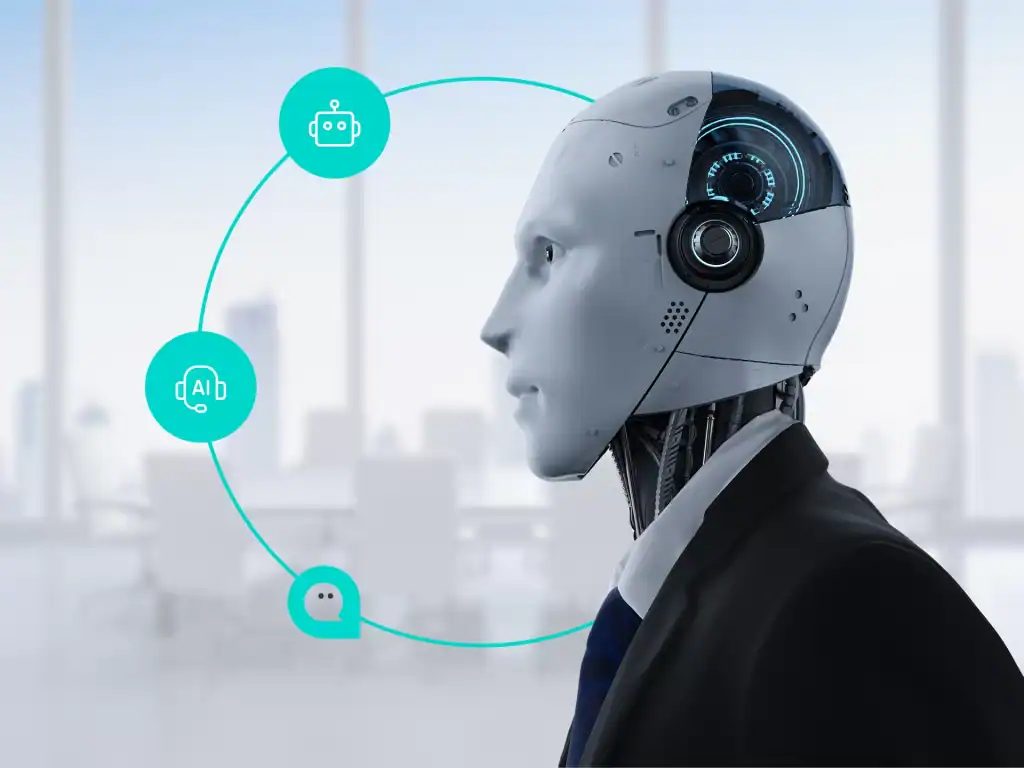

L’omnichannel customer experience now represents more than just a trend; it is a new way of approaching and retaining customers. According to recent industry studies, customers expect a consistent experience regardless of the channel used, and they report high satisfaction when the omnichannel experience is seamless. The difference between multichannel and omnichannel approaches is no longer just technical: it is about the ability to build lasting relationships with customers through personalized and contextualized interactions at each touch point.
The evolution from multichannel to omnichannel: beyond widespread presence
The transition from a multichannel strategy to a true omnichannel approach represents a significant cultural and technological leap for any organization. It is not simply a matter of adding new customer touch points, but of completely rethinking the way these channels communicate with each other and with business systems.
Many companies mistakenly believe that they have already implemented an omnichannel strategy simply by having a presence on phone, email, social media and chat. In reality, having a presence on multiple channels does not guarantee an integrated experience at all. The real challenge is to build a technology and organizational ecosystem in which every customer interaction is part of an ongoing conversation, regardless of where that conversation takes place.
Multichannel fragmentation and its operational limitations
While the multichannel model is an evolution from the single-channel contact center, it has inherent limitations that compromise the quality of the customer experience. In this approach, each channel operates as a separate island: the phone system has its own database, the email platform its own, social media is managed by different tools, and so on.
According to the Omnichannel Customer Experience Observatory of the Politecnico di Milano, customer service is still the least mature business process compared to marketing and sales in adopting omnichannel strategies.
Fragmentation also generates significant operational inefficiencies. In addition, lack of integration prevents effective analysis. Data remain segregated in different systems, making it impossible to have a complete understanding of the customer journey.
The strategic value of touchpoint integration
A true omnichannel strategy requires that all touchpoints to be connected through a unified platform. This means that when a customer switches from one channel to another, his or her story, preferences, and the context of the conversation follow without interruption. This is not just a technological issue, but a paradigm shift in customer relationship management.
The tangible benefits of integration are documented in numerous research studies. Companies using integrated omnichannel solutions experience a 31 percent reduction in first resolution time and a 39 percent decrease in customer wait time compared to those operating with isolated systems. From an operational perspective, integration enables optimized resource allocation.
Channel integration also enables the collection of richer, more contextualized data on customer behavior.
The 5 key steps to implementing an effective omnichannel customer experience
Transforming a traditional contact center into an omnichannel hub requires a methodical and structured approach. It is not enough to just buy new technology: you need a clear strategy involving people, processes and platforms. The following five steps represent a concrete roadmap, based on international best practices and the experiences of companies that have successfully completed this transformation.
Each step addresses a critical aspect of omnichannel implementation: from data to technology, from artificial intelligence to corporate culture, to continuous performance monitoring. Theorder of these steps is not random: following them in sequence allows you to progressively build the foundation needed for a truly integrated customer experience. Skipping a step or reversing the order can compromise the effectiveness of the entire implementation.
Step 1: Centralize customer data for a single view
The first step in building an omnichannel experience is to eliminate data silos. You need to consolidate all the information from the different channels into a unified platform that offers a single customer view in real time. Without this foundation, any attempt at channel integration will be superficial and ineffective.
The centralization of data gives operators immediate access to the full context of each interaction. When a customer calls, the operator already sees on his dashboard all recent interactions: the email sent two days ago, yesterday’s chat, products viewed on the website, any previous complaints. This dramatically reduces handling time and improves service quality because the operator can provide contextualized responses without making the customer repeat information.
Step 2: Integrate technologies and communication channels
Once the data is centralized, the second step is to technologically integrate all communication channels. This requires a contact center platform that natively supports voice, email, web chat, SMS, WhatsApp, Facebook Messenger, Instagram, Twitter and other social media. The choice of platform is critical: it must ensure scalability, reliability and integration flexibility.
Technology integration must ensure that conversations can move from one channel to another without loss of context. From the operators’ perspective, integration means managing all interactions from a single interface.
Open APIs are critical in this step: they allow the contact center platform to connect with CRM, ERP, ticketing systems, data warehouses, and any other business tool. This openness ensures that the technology investment can evolve over time without the need to replace the entire infrastructure.
Step 3: Implement artificial intelligence for automation and personalization
AI represents a key accelerator for the omnichannel customer experience. Artificial intelligence transforms the contact center from a cost center to a value center by automating repetitive tasks and enhancing the capabilities of human operators.
The applications of artificial intelligence in an omnichannel contact center are many and evolving.
- Conversational chatbots handle first-level requests 24/7, answering frequently asked questions, guiding customers through self-service, and qualifying requests before transferring them to operators. Natural Language Processing (NLP) analyzes the sentiment of conversations in real time, enabling supervisors to identify dissatisfied customers and intervene before the situation escalates.
- AI-based intelligent routing analyzes request content, customer history, available operator skills, and team workload to route each contact to the person best suited to handle it. This significantly improves First Contact Resolution and reduces transfers between operators.
- Predictive analytics enables the anticipation of customer needs. Machine learning algorithms analyze behavioral patterns and can predict, for example, when a customer is at risk of churn, what products they might be interested in, or when they might need assistance.
- Speech-to-text and text-to-speech technologies turn voice calls into text for qualitative analysis, sentiment analysis and compliance. Operators receive real-time suggestions during conversations: relevant documents, recommended responses, scripts to follow.
AI does not replace human operators but frees them from repetitive tasks, allowing them to focus on complex interactions that require empathy, creativity and problem solving skills. The result is a service that is more efficient and more human at the same time.
Step 4: Train the team and create an omnichannel culture
Technology alone is not enough: effective change management involving the entire organization is needed. Only 40 percent of Italian companies have an Omnichannel Customer Experience manager in charge of designing and ensuring a seamless customer experience. This organizational deficiency is one of the main obstacles to implementing effective omnichannel strategies.
Team training must cover several aspects. First, the use of the new technology platforms: operators must feel comfortable with the unified interface. Technical training must be ongoing as platforms evolve and new features are added.
But the most important training is about the omnichannel mindset: operators must understand that they are not managing single isolated interactions, but are contributing to an ongoing relationship with the customer.
Breaking down barriers between departments is critical. Marketing, sales, customer service, and IT must work together with common goals.
Step 5: Monitor KPIs and continuously optimize
The last step iscontinuous optimization based on data and metrics. It is essential to define omnichannel KPIs that go beyond traditional metrics of individual channels. It is no longer enough to measure phone line performance separately from chat performance; an integrated view that evaluates the overall customer experience is needed.
Key metrics include Customer Satisfaction Score (CSAT) and Net Promoter Score (NPS), which measure overall satisfaction regardless of the channels used. First Contact Resolution (FCR) assesses the effectiveness of resolution: a customer should get a definitive response on first contact, without having to call back or change channels. Customer Effort Score (CES) quantifies the ease of interaction: how much effort does the customer have to put in to get what they are looking for?
Operational metrics such as Average Handle Time (AHT) and Wait Time measure efficiency, but they must be contextualized in an omnichannel perspective. For example, a slightly higher AHT might be justified if the operator is finally resolving a problem that the customer had already reported on other channels, avoiding further contact.
Channel Switching Rate is a metric specific to omnichanneling: how often do customers switch channels during their journey? A high rate could indicate that some channels are not effective for certain types of inquiries, or that there is a lack of integration and customers are forced to switch from one channel to another to get answers.
Customer Lifetime Value (CLV) measures the economic impact of omnichannel strategy. Forty-six percent of organizations that implemented omnichannel strategies experienced an increase in Customer Lifetime Value. This is because a superior experience increases loyalty, reduces churn and stimulates repeat purchases.
XCALLY: the comprehensive omnichannel platform for advanced contact centers
Implementing an effective omnichannel strategy requires a technology platform that is both powerful and flexible. XCALLY is positioned as the solution of choice for companies that want to deliver a superior customer experience without compromise. The platform combines the functional completeness typical of enterprise solutions with the flexibility and value for money of open source.
What sets XCALLY apart is its ability toadapt to the specific needs of each organization. It is not a rigid solution that imposes standardized processes, but a modular platform that can be configured to support existing workflows and evolve with the business. With more than 12,000 users in more than 60 countries, XCALLY h
XCALLY’s philosophy is encapsulated in the concept of “Human Singularity AI”: artificial intelligence does not replace the human element but rather amplifies it, allowing operators to focus on what really matters-building authentic relationships with customers.
Open architecture and native integration of all channels
XCALLY natively integrates voice, email, web chat, SMS, Facebook, Messenger, Twitter, Instagram, Telegram, Viber, Line, and WhatsApp. Operators manage all these interactions from a single intuitive web interface, without having to switch between applications. This unified console dramatically reduces the learning curve for new operators and improves productivity for experienced ones.
But the real difference lies in the Open Channel architecture: through versatile APIs, any custom channel can be integrated in a few steps. If a new social network or messaging platform emerges tomorrow, XCALLY can be extended to support it without waiting for official releases. This flexibility is essential in a market where customer preferences evolve rapidly.
The native integrations with leading CRMs in the market eliminate information silos. XCALLY connects seamlessly with Salesforce, Microsoft Dynamics 365, SugarCRM, Zendesk, Freshsales, ServiceNow. Every interaction is automatically tracked and historicized in the CRM, ensuring that all business departments have complete visibility into the customer relationship.
Integrated AI and customization capabilities at scale
XCALLY incorporates advanced artificial intelligence to automate processes and enhance the capabilities of human operators. The platform supports integrations with OpenAI, Google Dialogflow, Amazon Transcribe, Whisper and other AI providers, allowing companies to choose the tools best suited to their specific needs.
The platform also enables deep personalization of the experience: by analyzing interaction history, expressed preferences, and cross-channel behavior, XCALLY can automatically adapt the customer journey, direct them to the most appropriate channel, and provide personalized responses based on the specific context. This ability to orchestrate unique experiences at industrial scale represents the true added value of AI-supported omnichanneling.
Building lasting relationships through omnichannel: the future is today
Omnichannel customer experience is no longer a competitive option but a prerequisite for maintaining market relevance.
XCALLY addresses these needs by offering a comprehensive omnichannel platform based on open source technology that provides competitive value for money without compromising on functionality. Its open architecture, native integrations with leading CRMs, advanced AI capabilities, and intuitive interface make XCALLY the ideal choice for companies that want to transform their call center into a center of customer experience excellence.